

Pantry organization can transform your daily kitchen life more than you might expect. If you’re overwhelmed by messy shelves, expired food, or can never find what you need, a smarter approach to organizing your pantry can make a significant difference.
Key Takeaways
- Consistent pantry organization reduces food waste and time spent on meal prep, but real-world stats still under-report its true impact.
- Simple, actionable techniques—like smart labeling and modular containers—improve visibility, accessibility, and freshness.
- Awareness of common pitfalls, such as overbuying organizers or ignoring product safety, helps you save money and avoid clutter.
- What Is Pantry Organization and Why Does It Matter?
- Step-by-Step Guide to Effective Pantry Organization
- Advanced Analysis & Common Pitfalls
- Conclusion
- FAQ
What Is Pantry Organization and Why Does It Matter?
Pantry organization means arranging food, kitchen items, and supplies in a way that makes everything visible, easy to access, and safe to store. Its purpose isn’t just aesthetic—an organized pantry helps prevent forgotten ingredients from expiring, reduces overbuying duplicate items, and speeds up your daily meal prep.
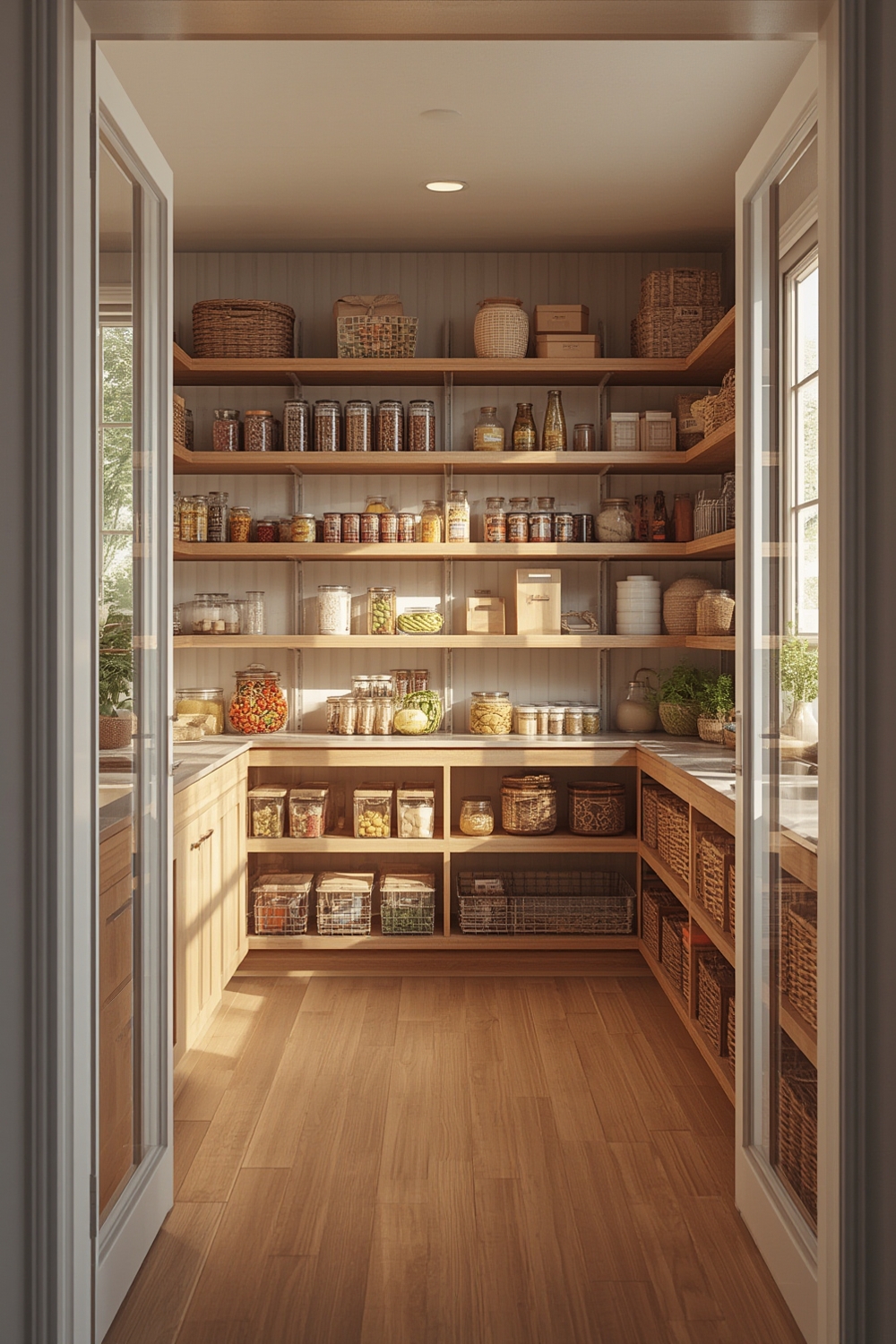
While exact statistics for 2024 are not available, household food waste is a massive problem worldwide. For example, UK households waste 6.7 million tonnes of food each year, valued at £14 billion—with roughly 67% to 70% still edible (source). In the US, consumers toss nearly 35 million tons each year, costing $261 billion, frequently due to food bought and then forgotten (source). Global data confirms that 19% of food available at the consumer level is wasted, much of it at home (source).
The takeaway: Better pantry organization is a practical way to cut food waste and save money. For related kitchen inspiration and news, explore this Kitchen Gemz post or these expert kitchen tips.
Step-by-Step Guide to Effective Pantry Organization
Ready to reclaim your shelves? Here’s how to organize your pantry step by step—without wasting money, time, or effort.
- Pull Everything Out & Audit
Take every item out of the pantry. Check expiration dates. Toss expired, damaged, or long-forgotten goods. Place like items together: grains, snacks, canned goods, baking supplies, etc. - Clean the Shelves
Wipe down all surfaces with a mild cleaner. Consider adding removable shelf liners to prevent sticky messes and make future cleaning easier. - Categorize & Plan Zones
Sort items by type and frequency of use. Place daily-use items at eye level and infrequently used foods up high or down low. Reserve easy-access zones for healthy snacks or lunch supplies for kids. - Choose the Right Containers
Opt for a mix of stackable bins, glass jars, and clear baskets. Avoid excessively large or oddly shaped containers—they waste space and make items harder to find. For a deep dive, check out our pantry product reviews. - Label Everything
Use large, legible pantry labels—plain white with bold black lettering is functional and eliminates confusion. Avoid decorative script fonts that aren’t easy to read. For more on labeling, see tips in our kitchen organization guide. - Re-Stock & Maintain
Return everything to the pantry, following your zones. Stack oldest items in front, newest in back (“first in, first out”). Schedule monthly 5-minute checkups to toss expired food and wipe up crumbs. - Bonus: Digital Pantry Tracking
Use a simple notes app or spreadsheet to track inventory of key staples or quickly jot down what’s running low. This prevents overbuying and forgotten duplicates.
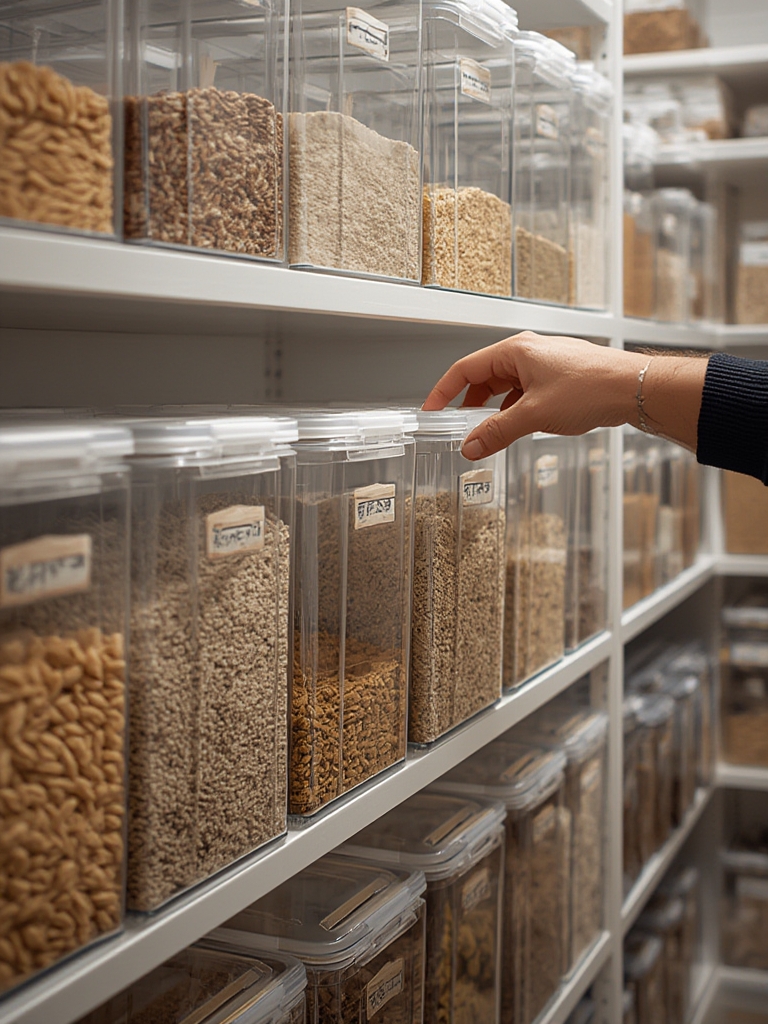
If you have a small pantry or apartment kitchen, opt for vertical risers, door-mounted racks, or slim rolling carts. In larger kitchens, consider a labeled basket system or drawer pull-outs. For modern organization upgrades, learn more from our feature on fluted glass pantry cabinets.
Advanced Analysis & Common Pitfalls
Even with the best intentions, many people struggle with pantry organization because they skip realistic planning or are seduced by Instagram-perfect container sets that don’t fit their unique space.
Here are some common pitfalls:
- Buying Too Many Containers — Not everything needs a special bin. Over-organizing can waste money and create excess clutter.
- Using Unsafe Materials — Some low-quality containers can leach chemicals or degrade quickly. Always check for BPA-free, food-grade labels—especially if storing flours or acidic foods.
- Poor Label Choices — Illegible or missing labels lead to confusion, mistaken identities, and accidental food waste.
- Neglecting Maintenance — Organizing once but never revisiting the system will let clutter creep back in.
- Ignoring Food Rotation — Failing to place new stock behind older items leads to expired goods in the back rows.
| Solution | Best for Small Spaces | Best for Large Pantries | Downside |
|---|---|---|---|
| Stackable Bins | Yes | Yes (with customization) | May block visibility of items in back rows |
| Door Racks | Optimal | Useful for overflow | Adds weight to pantry doors, avoid overloading |
| Pull-out Drawers/Shelves | Space-saving but may be too bulky | Excellent for visibility and access | Costly installation or hardware upgrades |
| Clear Jars | Good for staples | Attractive on open shelving | Breakable—keep away from high-traffic floor level |
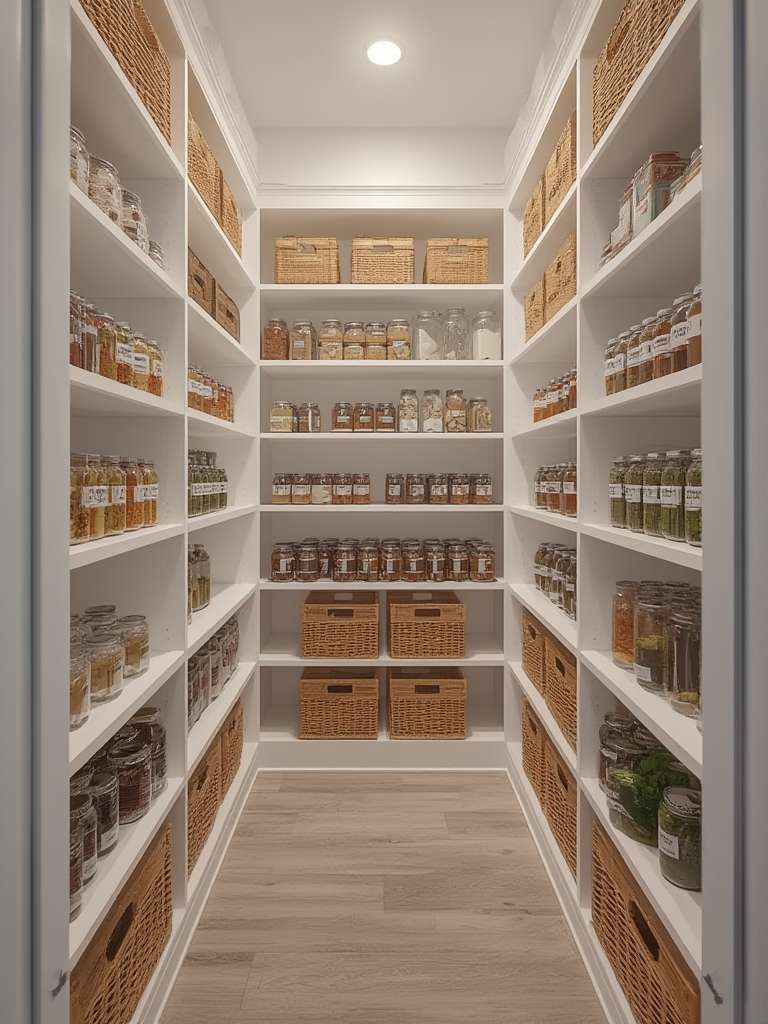
Still searching for functional products tailored to your space? Find trending storage solutions in this guide, or discover organization upgrades in our organic modern kitchen article.
Conclusion
An organized pantry isn’t about being perfect—it’s about making daily life easier, avoiding waste, and controlling what food you actually need. Remember, pantry organization is not a one-time event but a routine that pays off in saved money, fresher meals, and less stress. Start small, label clearly, maintain your system, and you’ll notice a real change. Dive deeper into kitchen tips, trends, and reviews with our latest Kitchen Gemz news. Ready to get started? Open that pantry door and make your first change today!
FAQ
How often should I reorganize my pantry?
Do a quick tidy each month and a full reorganization every six months. This keeps items accessible and prevents food waste.
What labeling method works best for pantry containers?
Use large, bold, high-contrast labels in plain fonts. Dry erase markers work great on smooth surfaces for temporary labeling, while adhesive labels or chalk markers are better for long-term use.
Do I need to buy expensive storage containers?
No. Focus on clear, airtight, food-safe options, which don’t have to be pricey. Repurposed glass jars or sturdy food-safe plastic bins work well for most kitchens.
How can I organize a small pantry with limited space?
Prioritize vertical space, add shelf risers, and use behind-the-door racks or rolling carts. Store rarely used items up high and keep daily staples at arm’s reach.
Does organizing my pantry really help reduce food waste?
Absolutely. Even though specific 2024 statistics are lacking, research shows most household food waste is due to forgotten or expired items, which better organization minimizes. See this source for details.