

Non-toxic air fryer safety is now a top concern for health-focused home cooks after recent findings about PFAS, PTFE, and PFOA chemical risks in standard air fryer coatings. If you think picking a “non-toxic” air fryer is as simple as reading the box, think again—recent tests show even products with safe-sounding claims can still contain hazardous chemicals.
Key Takeaways
- Most air fryers marketed as “non-toxic” may still expose you to PFAS and other persistent chemicals—even when labels claim otherwise.
- There are currently no consumer air fryers with truly independent lab certification confirming they are completely PFAS-free and PTFE-free.
- Choosing safer air fryers requires close scrutiny of claims, focusing on stainless steel or glass interiors and PFAS-free labeling, but long-term durability and true safety remain mostly unproven.
- What is a Non-Toxic Air Fryer and Why Does It Matter?
- How to Choose a Truly Non-Toxic Air Fryer (Step-by-Step Guide)
- Advanced Analysis and Common Pitfalls to Avoid
- Conclusion: Shop Smarter and Stay Informed
- FAQ: Non-Toxic Air Fryer Essentials
What is a Non-Toxic Air Fryer and Why Does It Matter?
A non-toxic air fryer is marketed as a kitchen appliance made without harmful chemicals like PFAS, PTFE (such as Teflon), and PFOA, which are linked to health issues including high cholesterol, hormone disruption, fertility reduction, and increased cancer risk. Yet, growing evidence shows that “PFOA-free” or “PTFE-free” doesn’t guarantee complete safety. Independent tests by Consumer Reports revealed measurable levels of multiple PFAS compounds in cookware claiming to be non-toxic. PFAS (‘forever chemicals’) persist in the human body and environment for years, making any exposure significant.
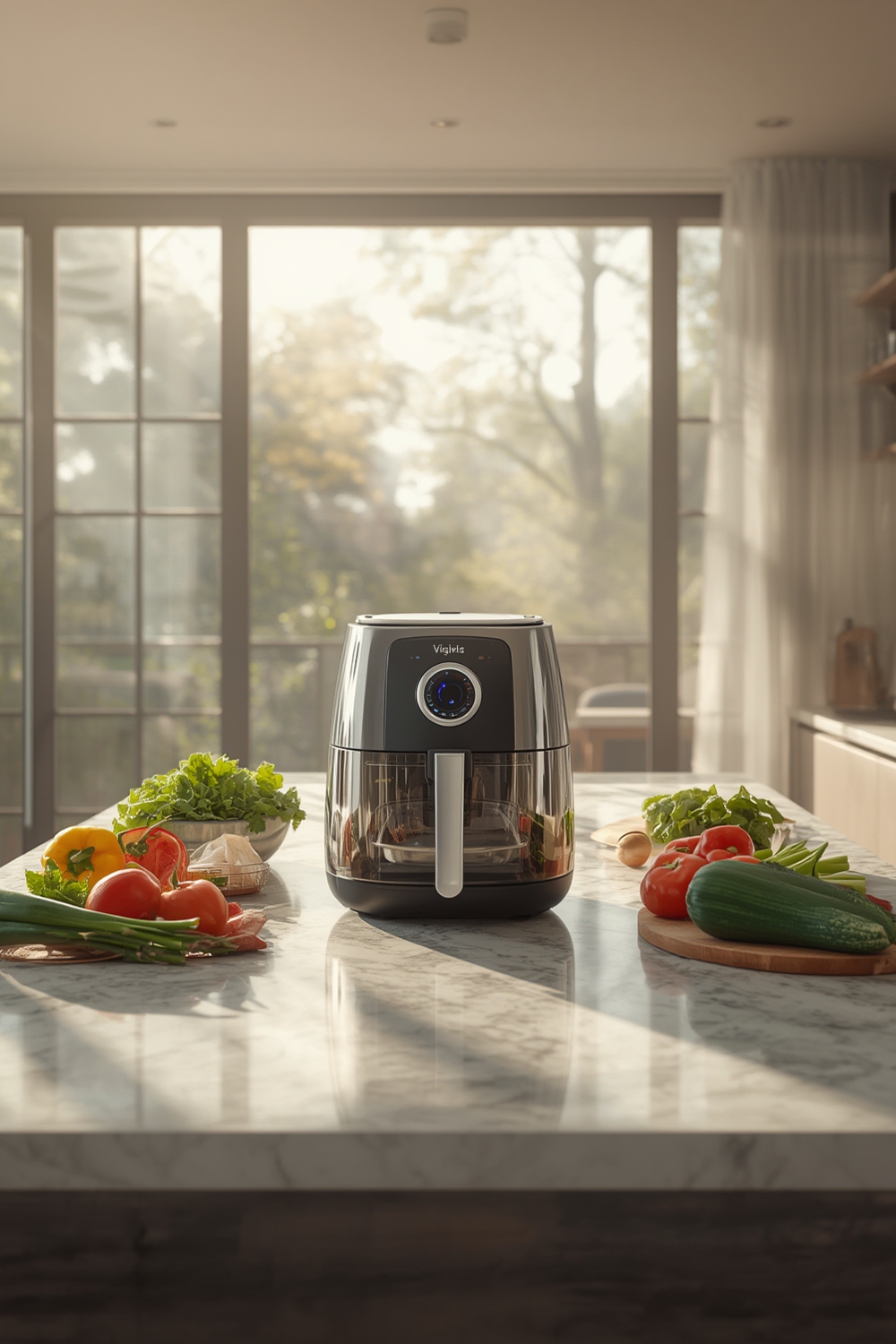
Recent concern comes from the Consumer Reports finding that Swiss Diamond “PFOA-free” pans still had up to 703 ppb of combined PFAS and detectable PFOA. With data showing nearly half the US population has PFAS in their tap water, the need for vigilance in the kitchen is clear (North Carolina Health News).
While searching for the safest option, be skeptical of marketing claims. Instead of trusting labels at face value, look for proven materials such as stainless steel or glass interiors, but be aware even these can have issues related to durability, coating chipping, and unclear certifications.
For more actionable kitchen insights, visit our latest tips and product news at Kitchen Gemz.
How to Choose a Truly Non-Toxic Air Fryer (Step-by-Step Guide)
Finding a real non-toxic air fryer is a matter of elimination and skeptical research. Follow these actionable steps to reduce your chemical exposure risk:
- Ignore “Teflon-Free” and “PFOA-Free” Claims Alone. Always verify what coating is actually used; “ceramic” or “nonstick” can still mean there are hidden PFAS. If the brand won’t disclose full chemical details, walk away.
- Prioritize stainless steel or glass baskets. Stainless steel interiors and accessories are widely agreed to be the lowest risk—just be wary of any “whitish” or “beige” coatings or paint inside.
- Consult the Manufacturer Directly. Ask for proof: Does the product have independent lab testing for PFAS, PTFE, and PFOA? Are claims supported by published, third-party test results, not just in-house declarations?
- Beware Uncertified Ceramic Coatings. While “ceramic” sounds safe, these coatings can chip, degrade, or conceal other chemicals, raising uncertainty about their safety over time.
- Avoid Plastics in Cooking Surfaces. Even BPA- and phthalate-free is not a guarantee, as other plasticizers or additives can be present. Choose all-metal interior parts wherever possible.
For more kitchen product buying guides and expert advice, see our latest review roundups like the Best Air Fryers 2026 guide.
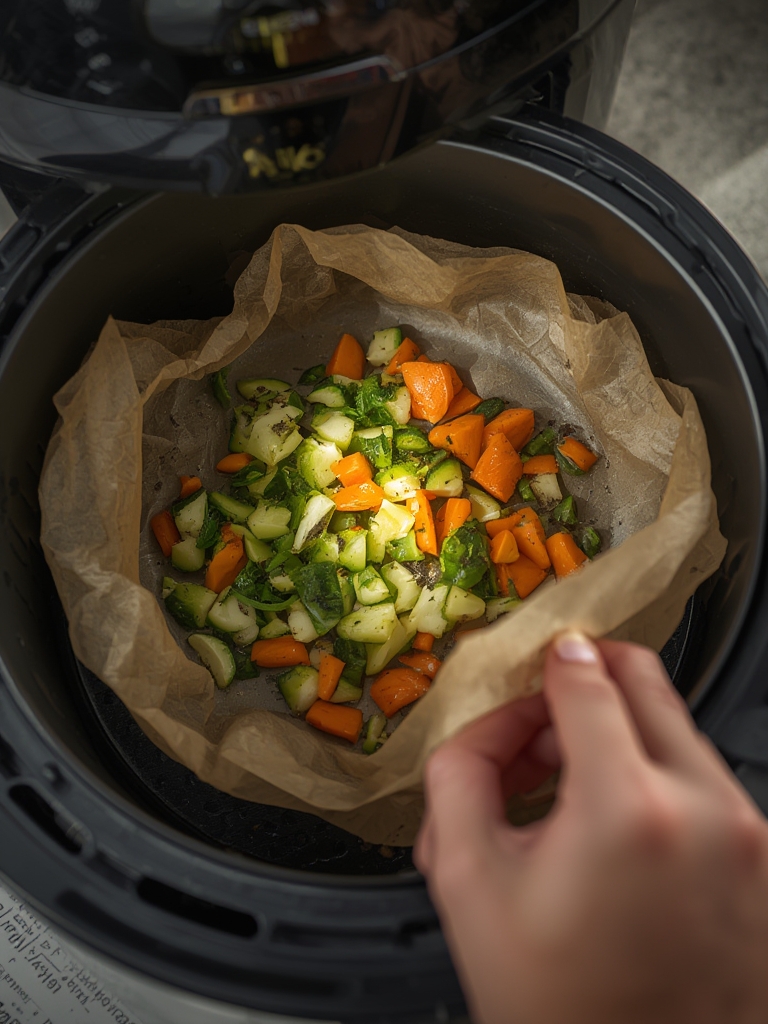
A simple way to level up your safety? Use parchment paper liners cut to size with stainless steel or glass-basket air fryers to reduce food contact with any possible coatings. While not foolproof, it’s an extra barrier if you’re ever unsure (LeafScore).
If you’re overwhelmed by model comparisons and kitchen trends, check out our latest updates, like viral air fryer hacks and trending appliances at Kitchen Gemz.
Advanced Analysis and Common Pitfalls to Avoid
Despite the explosion in demand for non-toxic air fryers, consumers face three big, under-discussed challenges: lack of verification, cost uncertainty, and unknown durability.
| Criteria | Conventional Air Fryer | Marketed Non-Toxic Air Fryer | Stainless Steel/Glass Air Fryer |
|---|---|---|---|
| PFAS/PTFE Chemical Risk | High (almost all have coatings) | Depends (claims unproven, many still test positive) | Lowest (if no coatings, but still check for parts) |
| Independent Lab Testing | Almost never published | Rare and often incomplete | Uncommon, ask for third-party results |
| Durability | 3-5 years, but coating may chip sooner | Ceramic: prone to chipping and stains; Quality varies | Steel/glass: lasts longer, but mechanical faults still possible |
| Cost | Lower to moderate ($40-$150 typical) | Moderate to high ($70-$250+) | High ($100-$300, stainless steel premium models) |
| Ease of Cleaning | Easy until coating chips or peels | Varies, sometimes awkward basket designs | More scrubbing may be needed; no coating to flake off |
Based on research summarized in North Carolina Health News and Consumer Reports, even the best-reviewed “non-toxic” air fryers can harbor hidden PFAS, PTFE, or PFOA risks. Manufacturers frequently fail to offer transparent disclosures, and independent lab verification is rare.
Other overlooked hazards:
- Bird Safety: PTFE off-gassing from air fryers can be lethal to pet birds even at basic cooking temperatures.
- Ceramic Degradation: Ceramic coatings may chip or leach chemicals over time if not truly “coating-free.”
- Misleading Labels: “PFOA-free” can still mean the product contains PTFE or other PFAS compounds.
- Unknown replacement parts: Wire racks, crisper plates, and screws may have nonstick coatings even when baskets are steel or glass.
- Water and Food Exposure: PFAS exposure is cumulative, and kitchen cookware is just one piece of the puzzle (UNC Study).
Looking for even more kitchen product insights and organization strategies? Explore detailed comparisons at Kitchen Gemz—your guide to smart, health-conscious cooking.

Conclusion: Shop Smarter and Stay Informed
There is no magic solution or perfect certification for a non-toxic air fryer in 2026, but you can minimize your risk by shopping for stainless steel or glass interiors, examining brand transparency, and refusing to settle for vague safety claims. Always demand full chemical disclosures and real-world test results.
Stay up to date with trusted product roundups, energy-saving tips, and hands-on reviews at Kitchen Gemz. Make sure your next non-toxic air fryer purchase puts your family’s health first—start asking sharper questions, not just trusting slick labels.
Ready to take the next step? Browse our Kitchen Gemz buying guides to find health-forward appliances.
FAQ: Non-Toxic Air Fryer Essentials
Are there any truly non-toxic air fryers available right now?
No air fryer on the US market has independent lab certification confirming it is 100% free from all PFAS, PTFE, and PFOA. Select models with all-stainless steel interiors and no nonstick coating are likely the safest but lack full third-party verification.
Is a ceramic-coated air fryer completely safe?
Not necessarily. Many ceramic coatings can contain or be contaminated with PFAS, and are prone to chipping over time. Always verify the full composition with the manufacturer and seek published lab testing if available.
Does “PFOA-free” mean an air fryer is PFAS-free?
No. PTFE is a type of PFAS, so “PFOA-free” does not mean the product lacks all PFAS or PTFE. Scrutinize labels closely and avoid products using vague terms.
How can I reduce my chemical exposure when using an air fryer?
Use air fryers with stainless steel or glass baskets, avoid nonstick coatings, line baskets with unbleached parchment paper, and never exceed recommended temperature settings to prevent coating breakdown.
Are stainless steel air fryers more expensive?
Generally yes. Stainless steel or glass models can cost $100–$300, while conventional coated air fryers start around $40. However, potential health trade-offs and increased durability may justify the extra cost.