

Probiotic soda is exploding in popularity as Americans look for gut-friendly and lower sugar options in their beverage routines. But how healthy is it, do the brands really differ, and what pitfalls should savvy shoppers know before swapping out their old cola? This guide breaks down the most up-to-date research, market insights, and real-world buying tips to help you make smart, informed decisions about probiotic soda.
Key Takeaways
- Probiotic sodas are growing quickly and now make up 2% of the $42.4 billion U.S. soft drink market.
- Clinical research on actual health benefits of probiotic soda is still lacking, with most claims based on general probiotic science.
- Major pitfalls include unclear labeling, sugar content confusion, and lack of regulation—meaning not all “probiotic” sodas are created equal.
- What Is Probiotic Soda? The Core Concept
- Step-by-Step Guide: Choosing & Using Probiotic Soda
- Advanced Analysis & Common Pitfalls
- Conclusion
- Frequently Asked Questions
What Is Probiotic Soda? The Core Concept
Probiotic soda combines the fizzy fun of soft drinks with added live probiotic cultures (and/or prebiotic fibers) designed to support gut health. As of 2024, the global market for probiotic and prebiotic sodas is worth nearly $500 million and is projected to grow at over 8% per year through 2030 [source].
The appeal? These sodas promise a better-for-you beverage with less sugar, plus digestive perks. In the U.S., brands like Olipop and Poppi dominate, together driving annual sales past $500 million. However, “probiotic” on the label can mean different things, with major gaps between products in terms of actual cultures, taste, and nutrition.
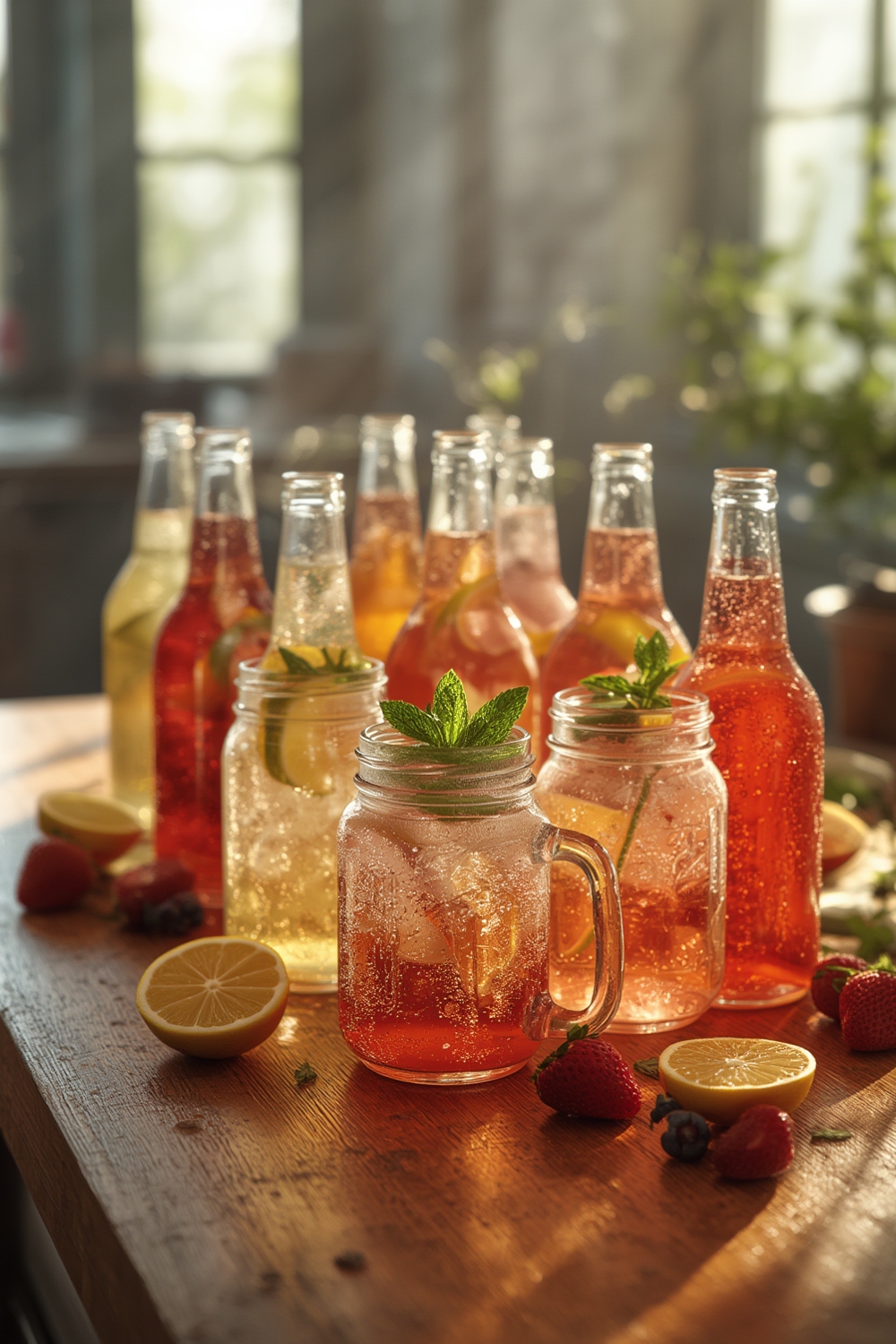
While some shoppers use their favorite soda as a mixer or fruity treat, others see gut health sodas as a daily dietary upgrade. But the science is still catching up to the marketing. For more inspiration on innovative kitchen trends, check out our review of hot new kitchen products.
Step-by-Step Guide: Choosing & Using Probiotic Soda
Here’s a practical approach to make sense of probiotic sodas before putting them in your cart or fridge.
- Read the full ingredients list. Prioritize sodas listing specific probiotic cultures or prebiotic fibers (like inulin or chicory root) over vague “fermented” claims. Beware of products that have “probiotic” in the name with no details.
- Check sugar content carefully. Even low sugar varieties can sneak in sugars or artificial sweeteners, making them less healthy than advertised. If you’re looking for more product review tips, see our expert kitchen advice.
- Scan for allergens and fillers. Some sodas use unexpected additives, gums, or allergens for mouthfeel. If you have sensitivities, scrutinize labels before buying.
- Cost-per-serving truly varies. Most “gut sodas” cost between $2-$3 per can. Buying online in bulk can trim costs, but always compare ingredient quality, not just price. Learn more about smart buying choices with our insider kitchen picks.
- Flavor is personal. Fruit sodas dominate, making up over 80% of the market, but some drinkers complain of an odd aftertaste or “funkiness” from real cultures. Try single cans before committing to a case.

A final point: don’t expect a soda to fix gut issues overnight. Real benefits from probiotics typically come from consistent use and a broader healthy diet, not quick fixes. For more ideas on organizing your beverage station, visit our kitchen organization guides.
Advanced Analysis & Common Pitfalls
Despite the hype, not all probiotic sodas are created equal. Here’s where real-world problems and unspoken issues often arise for consumers:
- No clinical proof for most sodas. As of now, there are no published clinical studies showing regular consumption of probiotic or prebiotic soda improves health versus regular soda. Most health claims rely on evidence from yogurt, supplements, or unrelated beverages.
- Labeling is confusing at best. The U.S. has no exact regulatory requirements for marketing a beverage as “probiotic.” Without clear standards, brands can make bold claims without substantiating live culture counts or strain types [source].
- Sugar isn’t always low. Some probiotic sodas have sugar levels close to regular soft drinks—always check net grams per serving, especially if you’re managing calories, blood sugar, or dental health.
- All potential risks are underreported. There’s little investigation into long-term impacts, possible GI side effects, or how effective the specific probiotic strains in soda really are [source].
| Potential Problem | What It Means For You | Actionable Solution |
|---|---|---|
| Unverified probiotic claims | No way to know if live cultures survive until you drink | Look for transparent labeling and batch testing |
| High or hidden sugar | May sabotage wellness or weight goals | Double-check nutrition label per serving |
| Bland, odd, or inconsistent taste | Flavor quality varies—a common consumer complaint | Try single cans before subscription or bulk buys |
| Allergens and fillers | Could trigger sensitivities in some drinkers | Read ingredient lists fully, watch for gums/fillers |
Consumer complaints are rarely published, but anecdotal feedback often cites excessive aftertaste, carbonation levels, or lack of digestive “effect” even after weeks of use. If you prefer functional kitchen gadgets over functional sodas, don’t miss our latest kitchen news.

Conclusion
Probiotic sodas are clearly reshaping the beverage world, but smart consumers know to look beyond catchy labels and colorful cans. Until there’s more clinical research and clearer regulation, treat probiotic soda as a fun, functional swap—just not a cure-all. When in doubt, compare ingredients, watch your sugar intake, and buy small amounts before committing to a favorite. For the latest kitchen appliance insights, our guide on top-rated air fryers is a proven reader favorite.
If you’re considering adding probiotic soda to your fridge, start slow and pay attention to how your gut reacts. Want more honest product reviews and practical kitchen tips? Subscribe to Kitchen Gemz or browse our top kitchen trend roundups now.
Frequently Asked Questions
What makes a soda “probiotic” or “prebiotic”?
A “probiotic” soda includes live cultures of beneficial bacteria, while “prebiotic” sodas contain non-digestible fibers that help feed good gut bacteria. Many products blend both, but not all offer transparent details on the organisms or fibers used.
Is probiotic soda healthier than regular soda?
In most cases, probiotic soda contains less sugar and added functional ingredients. However, it’s not a replacement for a balanced diet, and the health advantages depend on real live cultures, sugar content, and your own needs.
Can children and pregnant women safely drink probiotic soda?
Most probiotic sodas are marketed as safe, but people with weakened immune systems, young children, or pregnant women should check with a healthcare provider first, as probiotics may not be appropriate for everyone.
Do probiotic sodas require refrigeration?
Some do, others don’t. Refrigeration is usually best to preserve live bacteria. If the label says “keep refrigerated” after opening or before purchase, follow instructions for best results.
Why do some probiotic sodas taste sour or ‘funky’?
Live fermentation can produce tangy or complex flavors. Not all palates enjoy this, and some brands mask it with fruit extracts or sweeteners. Sample a few to find a profile you like.