

Algae cooking oil is quickly disrupting the kitchen oil landscape with its unique composition, bold sustainability promises, and growing culinary buzz—but is it really the next pantry staple?
Key Takeaways
- high omega-3 profile and an ultra-high smoke point, but production costs and low consumer awareness still limit mass adoption.
- Environmental benefits are promising, but direct, quantified data comparing algae oil to classic seed or olive oils are still lacking.
- Taste profiles, pricing transparency, and robust clinical safety data remain major gaps in current literature.
The Core Concept: What Is Algae Cooking Oil and Why Try It?
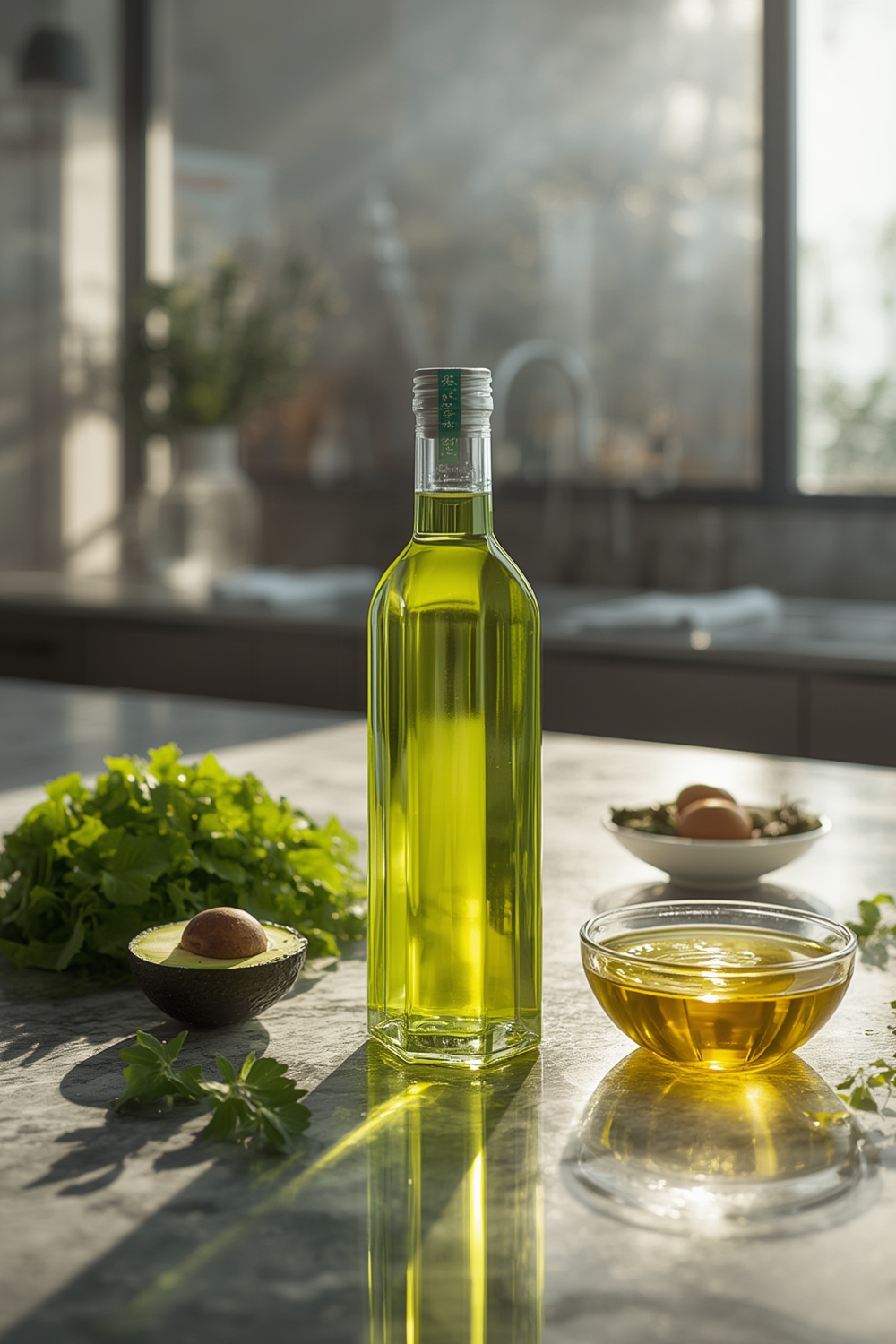
Algae cooking oil is extracted primarily from microalgae, organisms that can convert sunlight and nutrients into high concentrations of oil. Unlike common seed or olive oils, algae oil provides a plant-based source of omega-3s (especially DHA) and can reach a smoke point much higher than typical kitchen staples. The production of algae oil often uses less arable land and can be vertically integrated, supporting more resilient supply chains and potentially reducing environmental impact.
Although its market share still trails far behind more established oils, growth projections are robust. For example, the global algae oil market was valued at $2.44–2.60 billion in 2024 and is anticipated to grow at up to 5.9% CAGR through the mid-2030s, especially in North America and Asia Pacific. Key application segments include food, beverages, and dietary supplements—each taking about 38% of the total market share. Source
For those looking to reduce their kitchen’s carbon impact, algae oil is positioned as a more sustainable alternative, although exact comparative data with olive and traditional seed oils needs to be established through future research. Microalgae efficiency and its adaptability to various culinary uses are attracting widespread attention, especially among eco-conscious and health-driven consumers.
If broader sustainability and longer shelf lives are priorities, you may also want to explore organic modern kitchen solutions as complementary upgrades.
Step-by-Step Guide: How to Use Algae Cooking Oil in Your Kitchen
- Read the Label: When selecting algae cooking oil, check if it’s rich in omega-3 DHA and produced via clean extraction methods. Look for transparent sourcing, and be wary if the label is vague about the algae species used.
- Start Simple: Use algae oil just as you would any other neutral oil for sautéing, frying, or dressing—its ultra-high smoke point (up to 485°F for brands like Algae Cooking Club) makes it versatile for both low and high-heat cooking.
- Test for Taste: Do a small pan test to evaluate flavor neutrality. While literature lacks robust sensory studies, most brands market algae oil as light and neutral. Still, exact taste may vary by brand, and consumer reviews are still trickling in.
- Substitute in Recipes: Replace traditional seed or olive oil in your favorite meals. Algae oil works particularly well in stir-fries, baking, and homemade salad dressings where high heat or a neutral base improves results.
- Monitor for Allergies and Sensitivities: Although considered safe, introduce any new cooking oil gradually, particularly if you have allergies to other algae-based products.
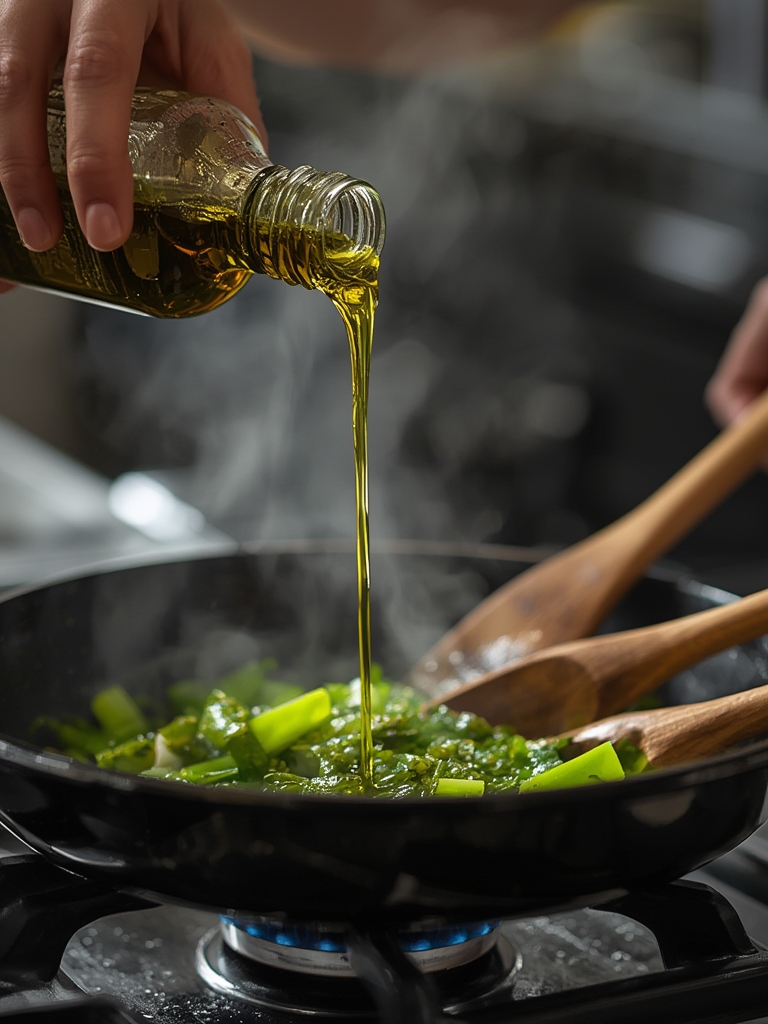
Explore unconventional applications: try it in place of classic neutral oils when prepping crispy air-fried veggies or for bakery-style moist muffins. Its extended shelf life and purported health benefits make it worth experimenting with, especially as part of meal prep or any kitchen trends prioritizing heart-healthy choices. For more kitchen upgrades, see our expert kitchen advice and kitchen hacks.
Advanced Analysis & Common Pitfalls
While many of algae oil’s upsides are promoted, it is important to understand its unvarnished challenges as well:
- High Production Costs: Algae oil’s price point remains higher than olive or seed oils, due to expensive fermentation and extraction. Although cost reductions of 20–30% are predicted by 2030, current premiumization continues. Source
- Low Consumer Awareness: Google Trends shows minimal search demand for “algae-based cooking oil” compared to “organic” or “vegan” oil, reflecting ongoing barriers to mainstream acceptance and likely limited local availability. See research
- Lack of Robust Clinical Evidence: DHA and omega-3 claims are well-founded in general, but head-to-head long-term human studies comparing algae oil effects to those of olive oil or classic seed oils are largely absent. Safety data is limited, with only single studies referenced.
- Flavor and Sensory Gaps: Most industry reporting is mum on how algae oil tastes in real-world recipes. This gap makes it risky for chefs or home cooks who depend on predictable results.
- Incomplete Environmental Data: While microalgae yield more oil per dry mass than macroalgae and broader sustainability is frequently claimed, comprehensive water, land, and carbon use numbers are missing, making green claims unverified. Compare market sources
| Factor | Algae Oil | Olive Oil | Seed Oils |
|---|---|---|---|
| Smoke Point | Up to 485°F1 | No data (varies by type) | No data (varies by type) |
| Omega-3 Content | High, esp. DHA2 | Low | Low-moderate (most seed oils) |
| Taste Profile | Largely unreported | Well-studied | Well-studied |
| Environmental Footprint | Promising, but no direct data | No direct comparison | No direct comparison |
| Retail Pricing | High (premium segment) | Not specified | Not specified |
1 Algae Cooking Club brand; 2 Rich in DHA per industry research
If you’re building out a modern, efficient kitchen, see our guides on insider kitchen picks and trending kitchen products to help minimize waste and maximize value.
Conclusion
Algae cooking oil is an exciting, high-omega-3, and sustainable alternative that meets modern culinary demands, but expectations must be realistic. Premium cost, consumer awareness gaps, lack of flavor studies, and missing environmental benchmarks mean it’s not a one-size-fits-all solution. If you crave innovation and eco-friendly upgrades, consider trialing algae cooking oil in your kitchen—and be sure to experiment with its applications.
Keen to upgrade your kitchen experience? Explore algae cooking oil and let us know your results. For more hands-on kitchen tips and trends, browse our latest reviews and actionable guides.
FAQ
Is algae cooking oil safe for everyday use?
Current data suggests that algae oil is safe, especially as a source of DHA used in infant formulas and supplements. However, detailed long-term safety studies in adults using it for daily cooking are limited. Introduce gradually and monitor for any allergies or sensitivities.
What does algae oil taste like?
Most suppliers market it as neutral or mild, but robust third-party data on its precise flavor is missing. For best results, try a small recipe substitution and note any differences in taste or texture.
Is algae cooking oil healthier than olive oil?
Algae oil is high in omega-3 DHA, which is good for brain and heart health, but there is no direct clinical study comparing its long-term effects against olive oil. Both have health advantages; choose based on your dietary needs.
How does the environmental impact of algae oil compare to other oils?
Algae oil may have a lower environmental footprint due to high yield per mass and minimal arable land requirements. However, comprehensive quantitative studies comparing carbon, water, and land use to olive and seed oils are still lacking.
Why is algae oil so expensive?
Production involves advanced fermentation and extraction technology, making it costlier than traditional oils. Prices may drop as technology advances and market scale increases by 2030.