
### Blog Post:
Organic modern kitchen design is one of 2024’s most sought-after trends for homeowners who want spaces that are bright, clean, and strongly connected to nature—without sacrificing function or modern style.
Key Takeaways
- Organic modern kitchen spaces blend natural materials, soft modern lines, and calming earthy tones for a connected yet functional cooking environment.
- Choosing the right materials, lighting, and finishes can be a challenge—but practical strategies and realistic planning can overcome common pitfalls.
- Durability, maintenance, and sourcing sustainable materials require research; understanding the pros and cons up front leads to lasting satisfaction.
The Core Concept: What Is an Organic Modern Kitchen and Why Choose It?
The organic modern kitchen combines soft modern minimalism with nature-inspired elements, resulting in spaces that are calm, inviting, and functional. Instead of harsh lines and stark colors, this style uses warm whites, light woodgrain, green accents, curved fixtures, and natural textures. Environmental consciousness and a desire for wellness drive the trend, with more than 70% of kitchen remodelers in 2024 seeking nature-connected designs, such as large windows and earthy materials
(NKBA 2024 Kitchen Trends Report).
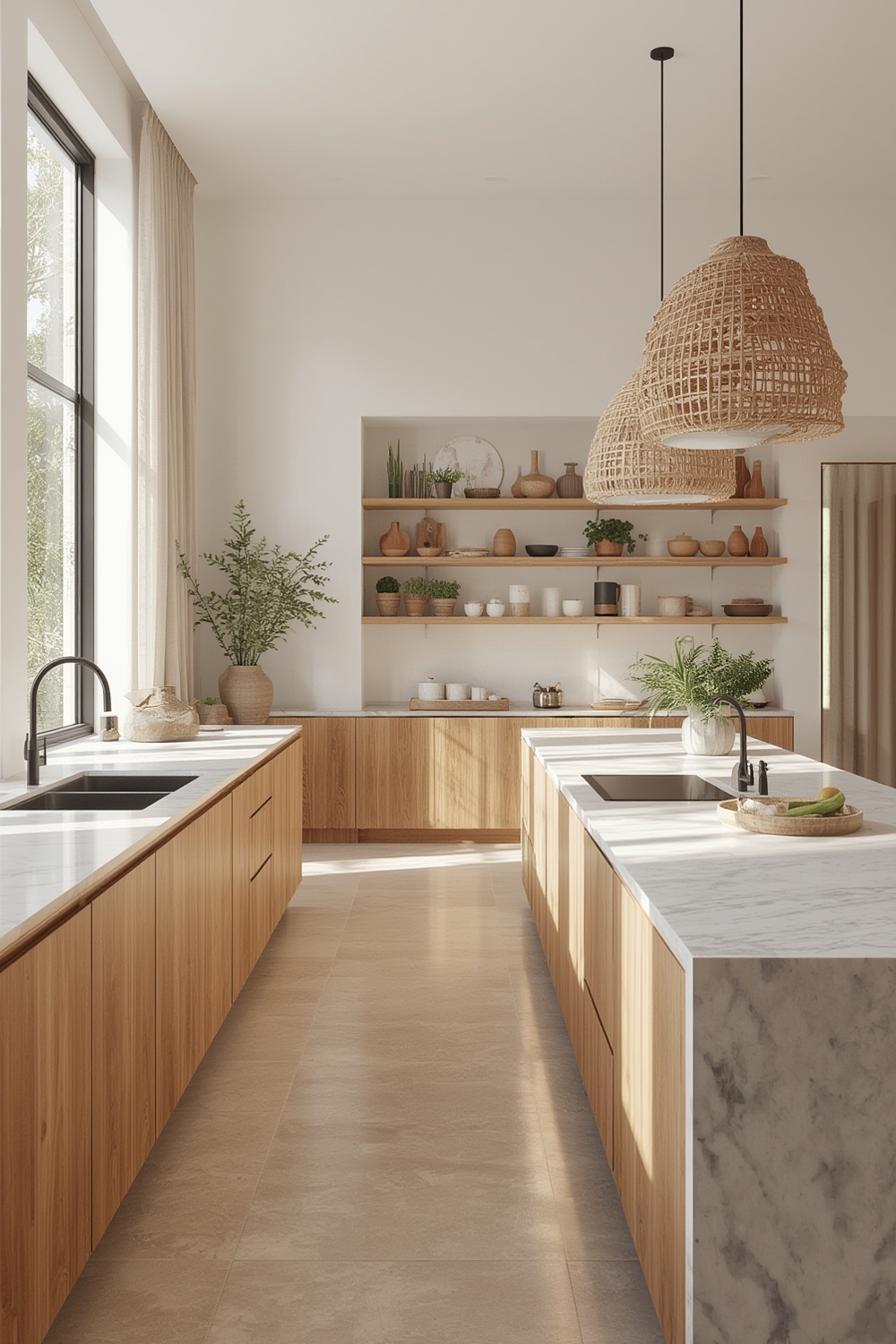
Why is this approach so popular? Traditional all-white kitchens can feel clinical, while bold contemporary designs sometimes sacrifice practicality or comfort. With organic modern, you get easy-to-maintain finishes, soothing palettes, and adaptable layouts that reflect both sustainability and everyday needs. Think textural cabinets, matte stone, sustainable lighting, and smart open layouts.
For more inspiration on modern kitchen trends, see recent insights on Kitchen Gemz.
Step-by-Step Guide: Plan and Build Your Own Organic Modern Kitchen
Here’s a straightforward process to help you create your own organic modern kitchen, whether you’re starting from scratch or remodeling an existing space.
-
Clarify Your Layout and Zones
Open layouts dominate organic modern kitchens, but efficient zones are essential. Plan for wide walkways, multifunctional islands (83% are now replacing dining tables), and a connection to outdoor or well-lit areas.
Open shelving and walk-in pantries reduce upper cabinet clutter. Curved island corners and soft-edged cabinetry maintain a flowing, welcoming vibe. -
Select Calming, Earthy Color Palettes
Start with a base of warm whites, light beiges, or very pale grey tones. Layer in touches of sage green, terracotta, or arid ash gray for depth. Only add bold accents if you want a bit of drama—over 70% prefer natural, harmonious tones year after year. -
Choose Natural, Durable Materials
Prioritize light woodgrain cabinetry such as white oak or bamboo. Matte or honed stone surfaces, especially with organic veining, offer pattern and resist fingerprints. Avoid high-gloss laminate or plastic finishes. When in doubt, ask for maintenance manuals and product certifications up front. -
Integrate Lighting Thoughtfully
Go beyond “well curated lighting.” Combine overhead fixtures with under-cabinet LEDs and glass pendant lights. Add dimmers to mimic natural light changes throughout the day. -
Use Eco-Friendly and Sustainable Features
Bamboo, cork, and reclaimed woods add authentic warmth, while recycled glass or terrazzo work well for backsplashes or small pops of color. Check whether suppliers carry certifications for responsible sourcing. -
Layer in Organic Accessories and Greenery
Finish with linen curtains, handcrafted ceramics, or even a built-in herb garden by your window. Final details personalize your kitchen and blend the outdoors in.
See these trending kitchen accessory tips
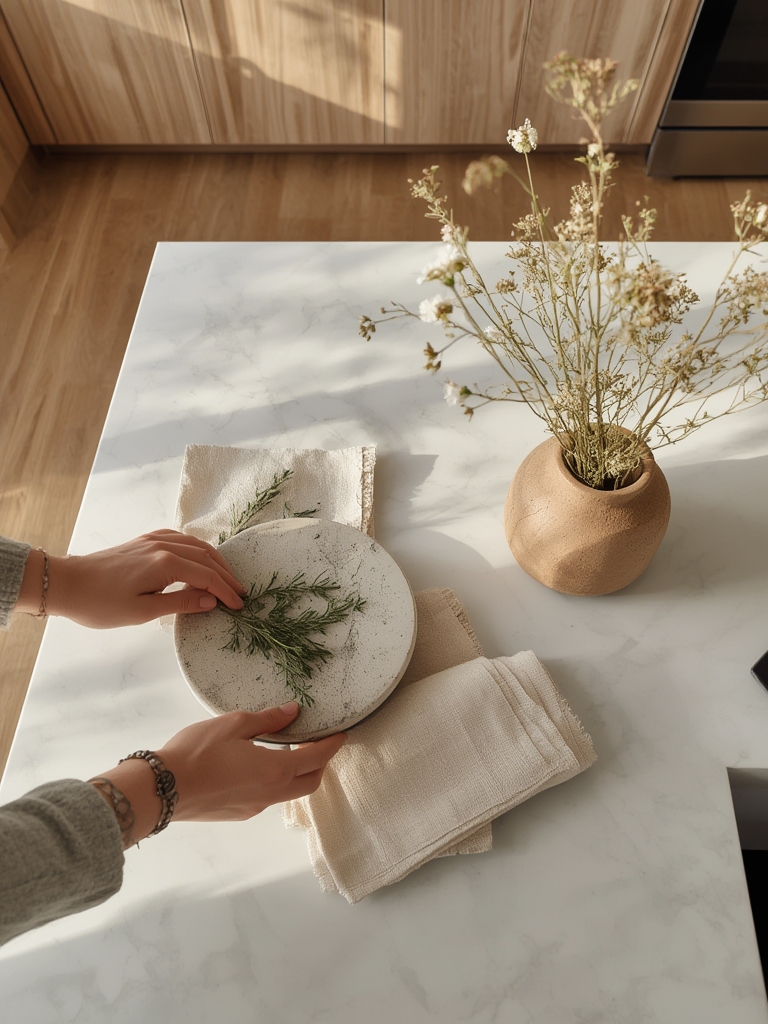
Finally, maintain a “soft modern” approach: use minimal hardware, keep lines simple, and favor wide drawers over ornate doors. For more practical how-tos, review this kitchen organization guide.
For kitchen appliance upgrades in the same style, explore our take on best air fryers for modern kitchens.
Advanced Analysis & Common Pitfalls of Organic Modern Kitchen Makeovers
Designing an organic modern kitchen is rewarding, but the process isn’t without frustrations or risks. Real-world challenges typically include:
- Limited supplier options for sustainable, verified eco-materials or true honed/matte stone surfaces—especially outside major cities.
- Higher material costs for premium woods, FSC-certified products, or stone alternatives. These can push budgets up, especially for whole-room renovations.
- Unreliable durability from cheaper “faux-organic” laminate finishes or non-certified reclaimed woods, leading to peeling, warping, or color change in high-traffic, high-moisture kitchens.
- Underdescribed lighting plans in most design guides, resulting in uneven illumination or clashing fixture styles if not carefully mapped.
- Backsplash installation and maintenance difficulties, particularly with porous honed stone—expect more routine sealing than with traditional glossy tile.
Below is a comparison overview based on the findings from survey data and expert interviews:
| Material | Durability | Maintenance | Sustainability |
|---|---|---|---|
| White Oak (Light/Matte Finish) | Very Good | Wipe spills quickly, re-oil/seal annually | FSC certified available |
| Bamboo (Cabinetry/Accents) | Good, resists warping | Damp cloth, gentle eco-cleaners | Highly sustainable, fast renew |
| Matte Natural Stone (Quartzite/Granite) | Excellent (if sealed) | Seal every 1-2 years, no bleach | Depends on quarry |
| High-Gloss Laminate | Fair, scratches and peels | Mild soap, avoid heat | Low, mostly plastic |
Notably, matte natural stone and light/oak woods dominate sustainable kitchen trends because they wear well and remain visually appealing with modest care
(MasterBrand Cabinets). However, if maintenance is neglected—such as failing to reseal porous stone—staining and dullness happen quickly.
For detailed cleaning routines and trending home care products, visit this practical kitchen tips article.
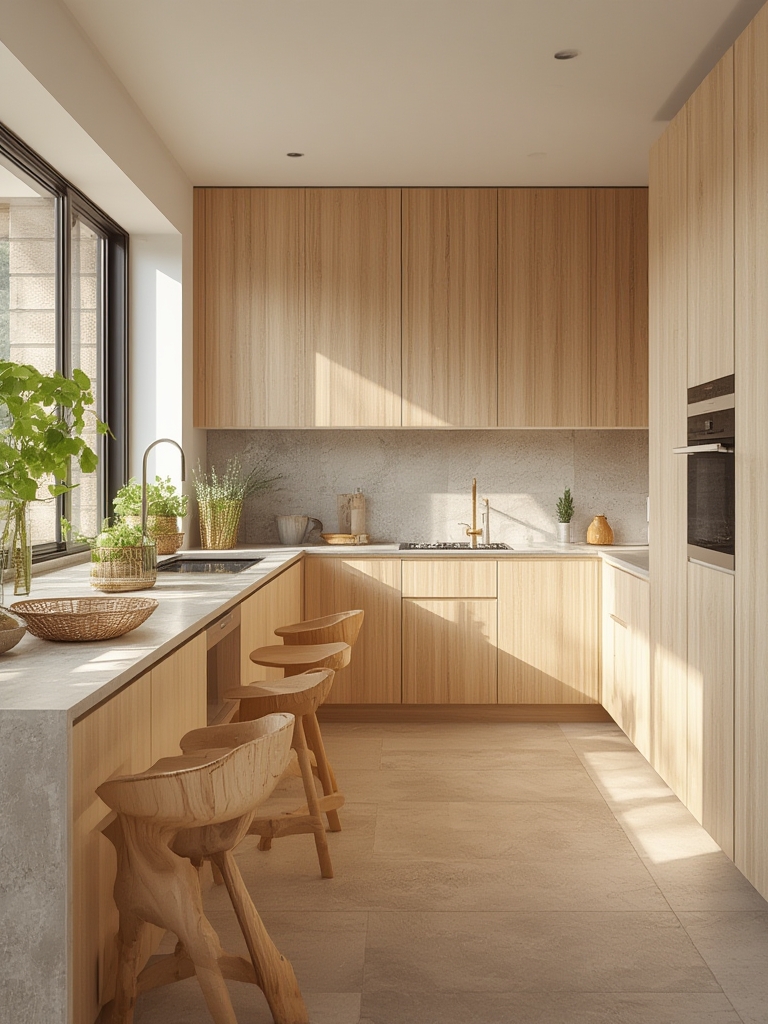
Still unsure? Explore these insider design strategies here and learn what’s truly trending in organic modern design right now.
Conclusion: Build Your Best Organic Modern Kitchen
The organic modern kitchen delivers a harmonious space by blending light, nature-inspired materials, soft minimalism, and durability. While finding truly sustainable products and balancing aesthetics with maintenance can be tricky, clear planning and real-world research enable success. Define your zones, choose authentic finishes, prioritize adaptable lighting, and keep maintenance realistic.
Want more inspiration or hands-on product reviews? Browse Kitchen Gemz for practical kitchen trends and see our exclusive product guides. Start creating your organic modern kitchen today—your home (and your sense of well-being) will thank you.
Get more home kitchen inspiration here.
FAQ: Organic Modern Kitchen
What is the key difference between organic modern and traditional modern kitchens?
Organic modern kitchens emphasize natural materials, textures, and earthy colors, while traditional modern kitchens often use sleek, high-gloss finishes and sharp lines. Organic modern is softer and more nature-inspired, using light woods and matte stone.
Are organic modern kitchens more expensive to build?
Costs can be higher when using sustainable woods, natural stone, or artisan accents, but careful sourcing and mix-and-match finishes can keep budgets in check. Plan for higher investment in long-lasting core surfaces and lighting.
How do I maintain a matte stone backsplash or countertop?
Seal matte or honed stone at least once a year and wipe up spills quickly. Avoid harsh or acidic cleaners. For stains, use a gentle poultice recommended by the manufacturer.
Which wood species last best in a kitchen environment?
White oak and traditionally finished bamboo withstand moisture and traffic best. Ensure all wood surfaces are sealed and ask for products with sustainability certifications if possible.
What can I do if I don’t have access to reclaimed wood or stone?
Consider high-quality FSC-certified plywood, eco-laminates in matte textures, or recycled glass for backsplashes. Many modern suppliers now offer sustainable options that fit the organic modern look.
—