

Yemeni coffee is gaining serious attention in the specialty market for its unique taste and ultra-rare beans, but sourcing and enjoying the real deal can be a challenge for buyers worldwide. If you want authentic Yemeni coffee—from bean to brew—understanding how its market, sourcing, and flavor stand out is essential.
Key Takeaways
- Yemeni coffee commands record-setting prices due to quality, scarcity, and unique traditional processing.
- Authenticity, freshness, and traceability are critical hurdles for buyers seeking genuine Yemeni beans.
- Production volume has steadily declined, making Yemeni coffee both sought after and harder to access each year.
- What Makes Yemeni Coffee Unique?
- How to Source and Enjoy Authentic Yemeni Coffee
- Advanced Analysis & Common Pitfalls
- Conclusion
- FAQs
What Makes Yemeni Coffee Unique?
Yemeni coffee is not only one of the oldest and rarest coffee types on the market—its unique heritage and processing set it apart. Yemen’s coffee growing regions use ancient, terraced farms and traditional “dry” processing, resulting in highly distinct, complex flavors. The country’s annual production remains extremely limited. In 2024, only about 96,000 60-kg bags were produced, with a declining trend forecast through 2028. By comparison, Yemen accounted for only 0.028% of all global coffee exports, ranking it 81st worldwide.[Source]
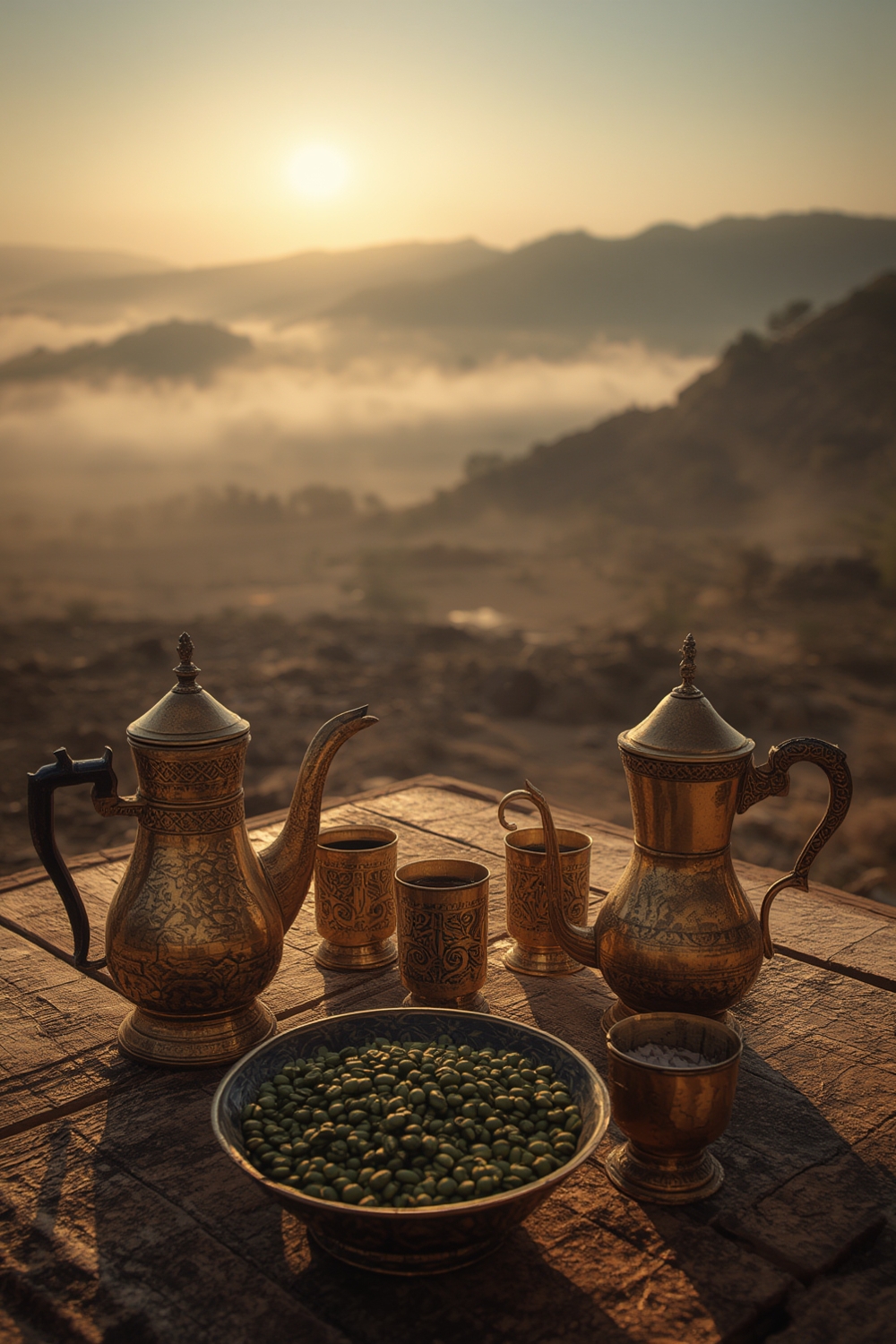
The extreme scarcity and challenging climate—Yemeni coffee grows with only 244–379 millimeters of rainfall annually, compared to a 1,400 millimeter global average—result in extraordinarily dense beans and concentrated flavors. This extreme environment also causes significant market pressures, shown by record prices at the Best of Yemen 2024 auction: an average of $369 per kilogram, with top lots exceeding $1,100 per kilogram for beans scoring over 90 points.[Best of Yemen 2024] Buyers not only pay for rarity but also for distinct, high-quality cup profiles—often fruity, complex, and chocolatey, with an unmistakable aroma. While new specialty coffee origins are always emerging, Yemeni coffee’s mystique is inextricably tied to its centuries-old traditions and harsh growing conditions.
Want modern kitchen news and trends? Check out Kitchen Gemz for inspiration.
How to Source and Enjoy Authentic Yemeni Coffee
If you want to experience the complexity of Yemeni coffee at home or in your café, be prepared to research and verify before you buy. Here’s a proven, practical roadmap.
- Identify Trusted Retailers (Online or Offline)
Most authentic Yemeni coffee is sold online through specialty coffee sites, some of which work direct with Yemeni exporters. Look for sellers who disclose details about their supply chain and acquire coffee via direct trade, or have relationships with organizations like the Alliance for Coffee Excellence. When shopping in-person, prioritize specialty cafes known for their single origin offerings—many now explicitly highlight Yemeni beans thanks to rising popularity in US cities.[More info] - Verify Source and Certifications
Because there’s little regulation around labeling “Yemeni coffee,” beware of misleading blends or imitations. Look for certifications related to fair trade or specialty auctions. While Yemen is not yet well covered by mainstream certifying bodies, some lots are traceable through specialty auctions or export associations. Certificates of origin, direct farm names, or transparent import channels are good signs. Need expert advice on kitchen products and brewing accessories? Read the Kitchen Gemz expert guide. - Compare Roasts for Freshness
Yemeni coffee’s flavor is best when freshly roasted and consumed within weeks. Many roasters or specialty sellers will print roast dates and batch numbers. Opt for medium or light roast profiles to preserve the trademark fruit, spice, and chocolate notes. - Know the Price Range
Specialty Yemeni coffee demands premium pricing: in 2024, prices averaged above $360 per kilogram, with top micro-lots well over $1,100 depending on auction scores and rarity.[Auction Source] While cheaper options exist, very low prices (or “mocha blends” at supermarket rates) are almost never a sign of genuine origin. Some specialty lots are produced by female farmers—supporting such lots can add social impact to your purchase. - Brew Method Matters
Try manual brewing methods (pour-over, Chemex, or AeroPress) to highlight fruit and chocolate notes. If possible, grind your beans fresh for each serving—Yemeni beans are often denser and need a slightly coarser grind. For more kitchen tips and gadgets, explore the Kitchen Gemz appliance reviews.
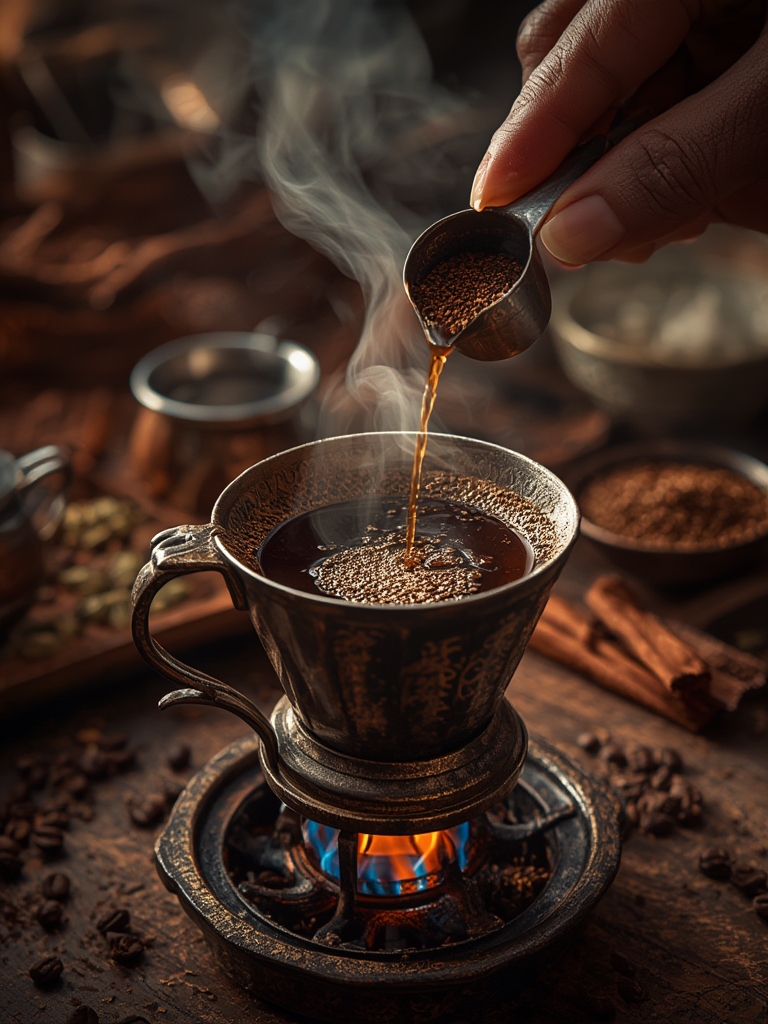
Extra Step: Stay updated on global market changes. Recent supply disruptions in other coffee-producing countries have also driven up general coffee prices (up 37% in 2024), which affects Yemeni coffee as well.[Coffee Market Report]
For trends in ergonomic drinkware or modern kitchen design, view the Kitchen Gemz ergonomic mug guide.
Advanced Analysis & Common Pitfalls
Buying and enjoying Yemeni coffee is not always straightforward. Here’s what to watch out for:
- Authenticity Concerns: With such high prices, there’s significant incentive for resellers to mislabel blends as Yemeni. Always ask for traceability or documentation.
- Lack of Freshness: Due to long and complex supply chains, beans can spend months shipping or sitting in warehouses before reaching consumers.
- Price Volatility: High demand and low output mean wild price swings. Global coffee price spikes also amplify these effects.
- No Universal Certifications: Because Yemen’s infrastructure for certification is underdeveloped, you cannot always rely on third-party logos—double-check claims before purchase.
- Political Instability: Ongoing conflict and unstable export routes frequently disrupt availability and quality. This adds to delays, price jumps, and even complete absence of supply for certain months.
- Inconsistent Flavor or Roast Profiles: Due to the micro-lot approach and lack of global consistency, different batches can vary more than with other famed origins.
| Factor | Yemeni Coffee | Other Specialty Origins |
|---|---|---|
| Typical Auction Price (2024) | $369–$1,159/kg | $30–$350/kg |
| Production Method | Traditional dry/natural, honey/carbonic maceration | Washed, honey, natural — usually with higher automation |
| Main Challenges | Scarcity, authenticity, unstable exports, lack of certifications | Traceable supply chains, certifications widely available |
| Flavor Profile Consistency | High variability by village/batch | More standardized within regions/zones |
| Rainfall in Growing Regions | 244–379mm/year | 900–2,000mm/year |
For more buying guides and appliance tips, see Kitchen Gemz product reviews.

Another rarely discussed aspect: while other specialty origins might implement QR codes and blockchain for traceability, Yemen’s use of such technology is minimal. Buyers must often rely on auction or exporter documentation, which isn’t always user-friendly.
Conclusion
Yemeni coffee delivers unmatched flavor, depth, and a living taste of history—if you can find and verify the genuine article. As production falls and demand rises globally, shoppers must be savvy about sourcing and mindful of the extra challenges faced with authenticity and reliability. If you love exploring rare coffees, it’s well worth the effort. Ready to try authentic Yemeni coffee? Check trusted specialty retailers and support direct trade for the best experience.
FAQs
Why is Yemeni coffee so expensive?
Yemeni coffee’s high price comes from extremely low production, difficult growing conditions, plus strong demand for its unique taste and history. Auctions for top lots regularly set world records for price per kilogram.
How can I verify authentic Yemeni coffee?
Look for supply chain transparency, farm or region details, and auction documentation. Be wary of cheap, supermarket-grade “mocha blends” labeled as Yemeni.
Is Yemeni coffee available in the US or Europe?
Yes, but supplies are limited. Seek out specialty retailers, direct trade sellers, or third-wave coffee shops that clearly advertise single origin Yemeni coffee. Online is usually best for authentic lots.
Does Yemeni coffee taste different from Ethiopian or Colombian coffee?
Yes. Yemeni coffee often features intense fruit, spice, and chocolate notes with bright acidity—distinct from the typically floral Ethiopian or nutty, balanced Colombian profiles.
What is the best way to brew Yemeni coffee?
Manual methods like pour-over, Chemex, and AeroPress are ideal. Use a slightly coarser grind since Yemeni beans are denser than other types.